



|
Getting your Trinity Audio player ready...
|

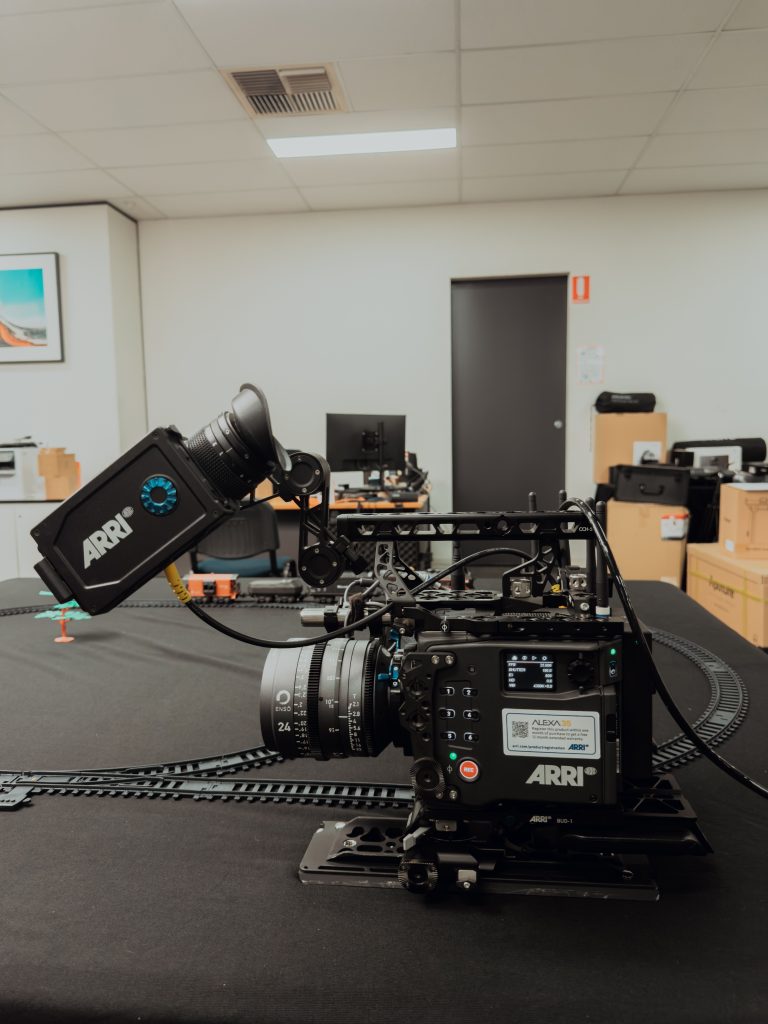
Many music videos no longer start with the first note of the song. Instead, they open with a short scene: a skit, a conversation, a title card or a slow walk-in before the beat arrives. These openings borrow from film and give the artist a chance to set up a story or a character before the music takes over. Because the song is not playing yet, the sound in those first seconds has to come from dialogue, background noise and effects. This article explains how short, sharp sound cues help an intro feel deliberate and lead cleanly into the track.
Why music video intros need their own sound
An intro has a difficult job, because it has to hold attention without the beat that viewers came for. Online audiences decide quickly if a video is worth their time, so a slow or shapeless opening risks losing them before the song starts. Sound gives the intro structure by telling viewers when something important is happening on screen. Without it, key moments such as a title card or a character’s entrance can pass by unnoticed. That is why many directors treat the intro like a short film scene with its own sound design.
A single hit effect sound is one of the simplest tools for this job. A hit is a short, sharp sound with a strong attack and a quick decay, designed to land one moment and then get out of the way. In an intro it can mark the artist’s name appearing on screen, a door slamming shut or the cut to black just before the song begins. Because it is brief, it adds weight without competing with dialogue or the first bars of the track. Used once or twice, it gives the whole opening a clear shape.
Moments in an intro that a hit can carry
The title card is the most common place for a hit in a music video intro. The artist’s name, the song title or a director credit often appears in bold text over black or a still frame. A hit timed to the exact frame where the text appears gives the card presence and makes it feel like part of the story rather than an afterthought. Large, slow-revealing text can carry a heavier hit, whilst small, quick captions need something lighter. Keeping the card on screen until the hit has faded lets the moment settle before the next shot.
Freeze frames are the second moment where a hit earns its place. Many videos introduce the artist, featured guests or crew members with a frozen shot and a name caption, a technique familiar from crime dramas and action films. Each freeze frame needs a short accent so the pause feels intentional rather than like a playback glitch. Using the same hit for every character keeps the sequence connected and easy to follow. The final introduction can then carry a slightly bigger hit to show that the set-up is complete.
The last seconds of the intro, where the story hands over to the song, are the third key moment. A hit landing on a cut to black, followed by a brief silence and then the first beat, gives the track a clean and confident start. The important detail is that the hit must fade completely before the music begins, so the first note is heard clearly. Choosing a hit with a short tail makes this much easier. This handover from story to song is often the part of the intro that viewers remember most.
Keeping the hit in its place
The character of the hit should match the mood of the video as much as the sound of the song. A dark, gritty video shot at night calls for a hit with real weight, closer to a slammed steel door than a drum. A glossy, colourful video with bright styling suits a cleaner, crisper hit that feels polished. A playful or comedic skit works better with a lighter accent, whilst a soft, intimate video may need nothing more than a gentle tonal ping. Choosing a hit effect sound that matches what viewers see keeps the intro and the song feeling like one piece of work.
Restraint matters as much as the choice of sound. When every cut in an intro carries a hit, each one loses meaning and the opening starts to feel noisy. A useful guide is one hit per major moment in the story, such as the title, each character introduction and the handover to the song. Dialogue scenes are usually best left to the voices and the background sound of the location. The fewer hits an intro uses, the more weight each one carries.
The way viewers watch also affects which hit works best. Many people watch music videos on phones and laptops, where the deepest bass frequencies are reduced or lost. A hit that relies only on sub-bass may sound impressive in an edit suite and almost disappear on a phone speaker. Hits with a clear, sharp attack in the middle frequencies register on most devices, even when the low end is missing. Checking the intro on a phone before release is the quickest way to make sure the hits still land.
A video intro in practice
Consider an independent rapper shooting the video for his own single. Jordan Ellis, based in Atlanta, opened his new release with a 30-second skit set in a barbershop. His first cut ran without any added sound effects, and early viewers said the intro felt long before the song arrived. He added a hit to the title card, a lighter accent to each of three freeze frames introducing his crew, and a heavier hit on the cut to black before the beat. The footage stayed exactly the same, but the intro now felt like a planned opening scene rather than a delay.
Finding hits that fit the video
Small video teams rarely record their own hits, because a clean, punchy result takes time and specialist equipment. Ocular Sounds’ hit collection covers that range, from bold accents and heavy impacts to quick bursts of energy built for trailers, games, films and ads. Its Climax Vol 1 pack leans towards cinematic trailer weight, whilst Felt offers softer piano pings for gentler videos. The sounds can be published in commercial projects without paying royalties, which matters for a video that will be monetised on YouTube or used in promotion. Because the licence covers use within a larger work, a music video intro is exactly the kind of use the licence describes.
Conclusion
An intro that lands well can make viewers lean in before the first note, whilst a shapeless one can send them scrolling. A good first step is to rewatch the opening of a favourite video and note every moment where a sound marks a change on screen. Then, before the next shoot, decide which two or three moments in the opening deserve a sound of their own. New releases are full of intros worth studying in this way, especially those that open with a skit or a title sequence. Paying attention to those opening seconds can change how the whole video is received.