

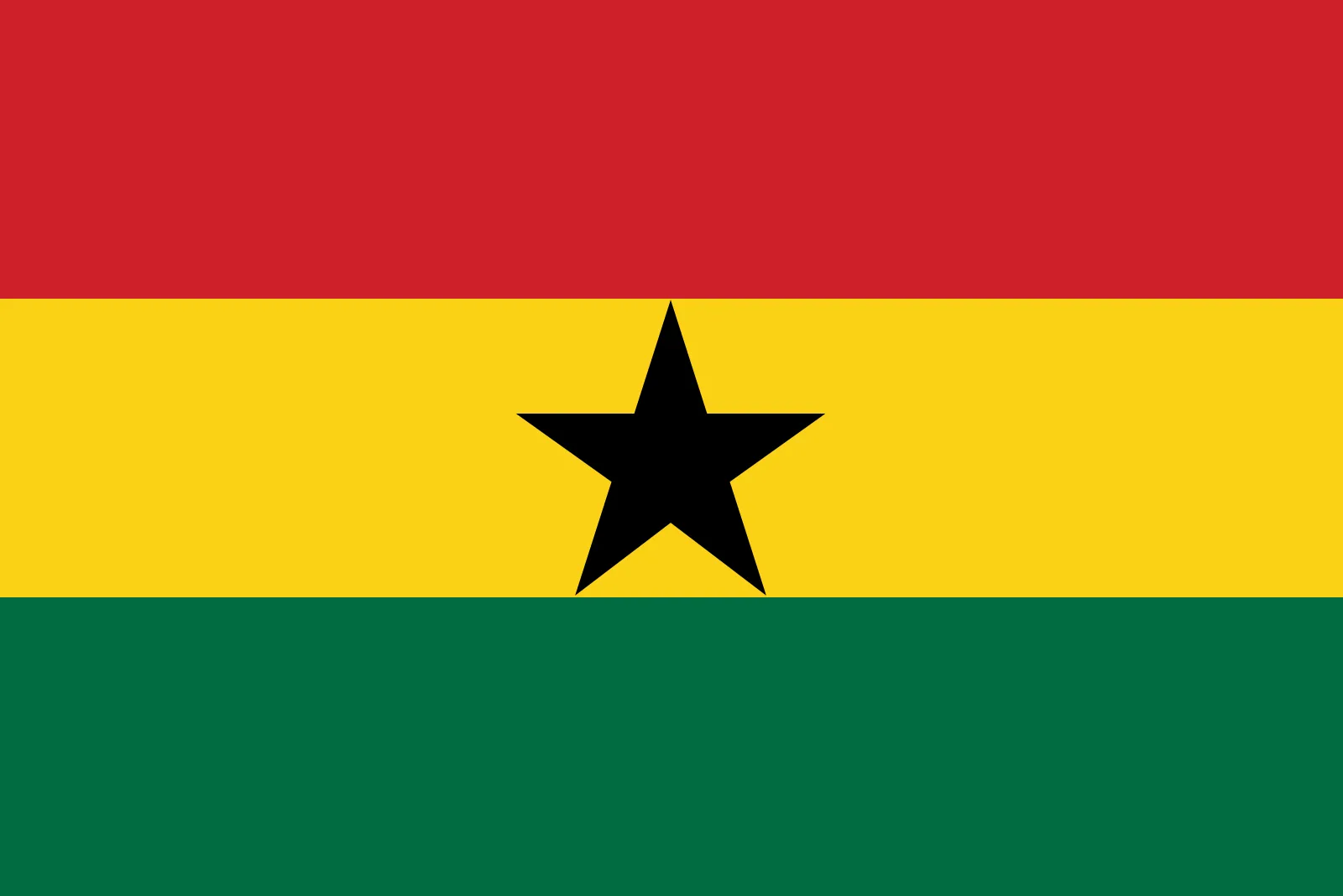
Ghana’s financial authorities have introduced decisive measures to curb offshore investments by local fund managers in a bid to protect the national currency, the cedi, and support macroeconomic stability as the country emerges from a deep economic crisis. The Securities and Exchange Commission (SEC) announced that, effective immediately, fund managers will be restricted to holding no more than 20% of their assets in foreign securities. Previously, some funds were permitted to allocate their entire portfolios abroad—a threshold that has now been tightened to a maximum of 70%. Additionally, foreign investments will be allowed only in countries with formal mechanisms to share financial information with Ghana’s SEC.
These adjustments come amid efforts to stabilise the cedi, which has experienced severe volatility in recent years amid fiscal stress, limited foreign reserves and heavy external debt obligations. Ghana is currently completing a three-year support programme with the International Monetary Fund (IMF), scheduled to conclude in August 2026, which has focused on strengthening public finances, curbing inflation and rebuilding external buffers.
By limiting capital outflows, regulators hope to preserve scarce foreign exchange and reduce pressure on the currency. This move aligns with other domestic strategies designed to bolster external liquidity, including gold sales programmes that have helped raise international reserves and initiatives by state bodies like COCOBOD to push export earnings and support the currency’s value.
Ghana’s leadership argues that these protective measures will ease speculative pressures on foreign exchange markets, encourage domestic investment, and help build confidence among investors and citizens alike. For markets heavily dependent on commodity exports such as gold and cocoa, maintaining currency stability is critical to ensuring affordable imports and sustainable economic growth.